How Hot Melt Adhesives Differ From Pressure-Sensitive
Hot melt adhesive cures by melting and cooling, while pressure-sensitive adhesive relies on sustained contact. This distinction drives sourcing decisions based on bond strength, handling speed, and whether the joint must resist peel or shear forces.
- Hot melt adhesive forms a bond through thermal cure, creating a rigid or semi-rigid joint that hardens as it cools.
- Pressure-sensitive adhesive remains tacky and relies on applied force to create a bond, often allowing for repositioning or removal.
- Sourcing decisions depend on whether the application requires rapid handling, permanent structural strength, or the ability to separate materials later.
- The choice affects equipment needs, operator training, and the final performance of the packaged or assembled product.
- A worked example shows how a packaging line selects hot melt for speed and a labeling task selects pressure-sensitive tape for removable holding.
What is hot melt adhesive
Hot melt adhesive is a polymer material that exists in a solid state at room temperature. When heated above its melting point, the material becomes a liquid that can be applied to a substrate. As the application cools, the polymer solidifies and forms a permanent or semi-permanent bond. The cure mechanism is thermal. It does not require a chemical reaction with a second component, nor does it need curing lights or extended time under heat after application.
The base material is usually a thermoplastic resin, such as a copolymer of ethylene-vinyl acetate or a polyolefin. Additives may be included to modify the melt point, tack, or flexibility. The final state of the adhesive is determined by the resin structure and the cooling rate. A slow cool may produce a softer, more flexible joint. A fast cool may lock in a more rigid structure.
This type of adhesive is commonly applied using a heated nozzle, a heated cartridge, or a heated die. The equipment must maintain the material above its melting point until it is deposited. Once placed, the bond sets quickly, often within seconds, depending on the substrate temperature and the mass of the adhesive applied.
What is pressure-sensitive adhesive
Pressure-sensitive adhesive is a different class of material. It is a viscoelastic substance that remains soft and tacky at room temperature. It does not cure or harden over time in the same way a hot melt does. Instead, it forms a bond when it is brought into intimate contact with a surface and force is applied. The adhesive contains a sticky layer, often called an adhesive layer, on one or both sides of a carrier, such as paper, film, or fabric.
The bond strength of a pressure-sensitive adhesive depends on the force applied and the duration of contact. The material is designed to have a balance of adhesion and cohesion. It must stick to the surface well enough to hold, but not so well that it cannot be removed or repositioned. This property is often referred to as tack or peel strength.
Pressure-sensitive adhesive is frequently found in labels, tapes, and stickers. It is also used in temporary holding applications during assembly. The material does not require heat to activate. The operator applies the material and presses it against the substrate. The bond forms through the mechanical interlocking of the soft adhesive with the surface texture.
How the cure mechanism changes handling
The fundamental difference between these two adhesives lies in the cure mechanism. Hot melt adhesive cures by cooling. The material is molten when applied and solidifies as it loses heat. Pressure-sensitive adhesive does not cure. It remains in a semi-liquid state and relies on physical contact to bond.
This difference affects how the operator handles the material. With hot melt, the operator must manage temperature. If the material cools too much before application, it may not flow properly. If it stays too hot, it may degrade or burn. The application equipment must be calibrated to maintain the correct melt temperature.
With pressure-sensitive adhesive, the operator manages contact. The material must be cleaned and prepared before application. Surface contaminants can reduce the bond. The operator must press the material into the substrate to ensure good contact. There is no temperature control involved in the bonding step itself, although the storage environment may affect the material’s tack over long periods.
How sourcing decisions differ
When sourcing these materials, the buyer looks at different performance characteristics. For hot melt adhesive, the focus is on the melt point, the open time, and the shear strength of the cured joint. Open time is the window during which the molten adhesive remains workable on the substrate. A longer open time gives the operator more time to position parts before the bond sets. This is critical for quick assembly tasks where precision is needed.
For pressure-sensitive adhesive, the focus is on peel strength, cohesive strength, and the material’s resistance to temperature and humidity. The buyer must ensure the adhesive can hold the intended load. If the application involves movement or vibration, the adhesive must have enough elasticity to absorb the stress without failing.
The sourcing decision also depends on the equipment. A hot melt application requires a heated dispenser. This adds capital cost and energy consumption. A pressure-sensitive application may only require a dispenser or a manual applicator, depending on the format. The choice of adhesive is therefore tied to the existing infrastructure of the production line.
A common mistake is to select a pressure-sensitive adhesive for a job that requires structural strength. Because it relies on contact and force, it may not hold under shear or peel loads that a hot melt would handle. Conversely, choosing a hot melt for a job that requires repositioning is problematic because the bond sets permanently.
Worked example: packaging and labeling
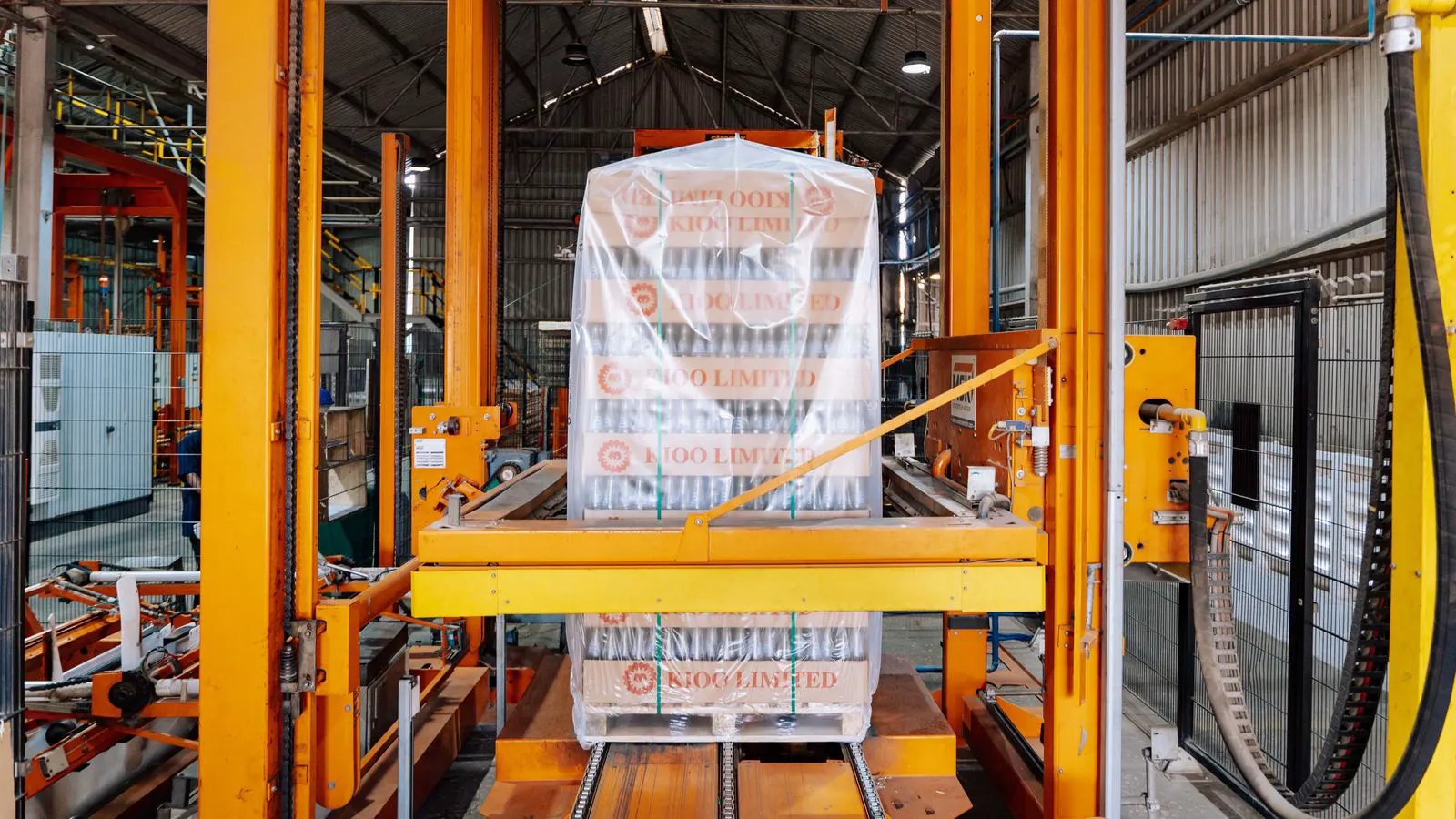
Consider a production facility that handles two different tasks. The first task is closing a cardboard carton on a high-speed line. The operator needs to close the flap and have it hold during transport. The line runs at a speed where the operator has only a fraction of a second to position the adhesive before the next carton arrives.
For this task, a hot melt adhesive is the standard choice. It is applied through a heated nozzle that dispenses a bead of molten material onto the carton flap. The flap is then pressed against the side of the box. As the hot material cools, it solidifies and forms a strong bond. The open time is short, but sufficient for the speed of the line. The bond is strong enough to resist the forces of handling and shipping.
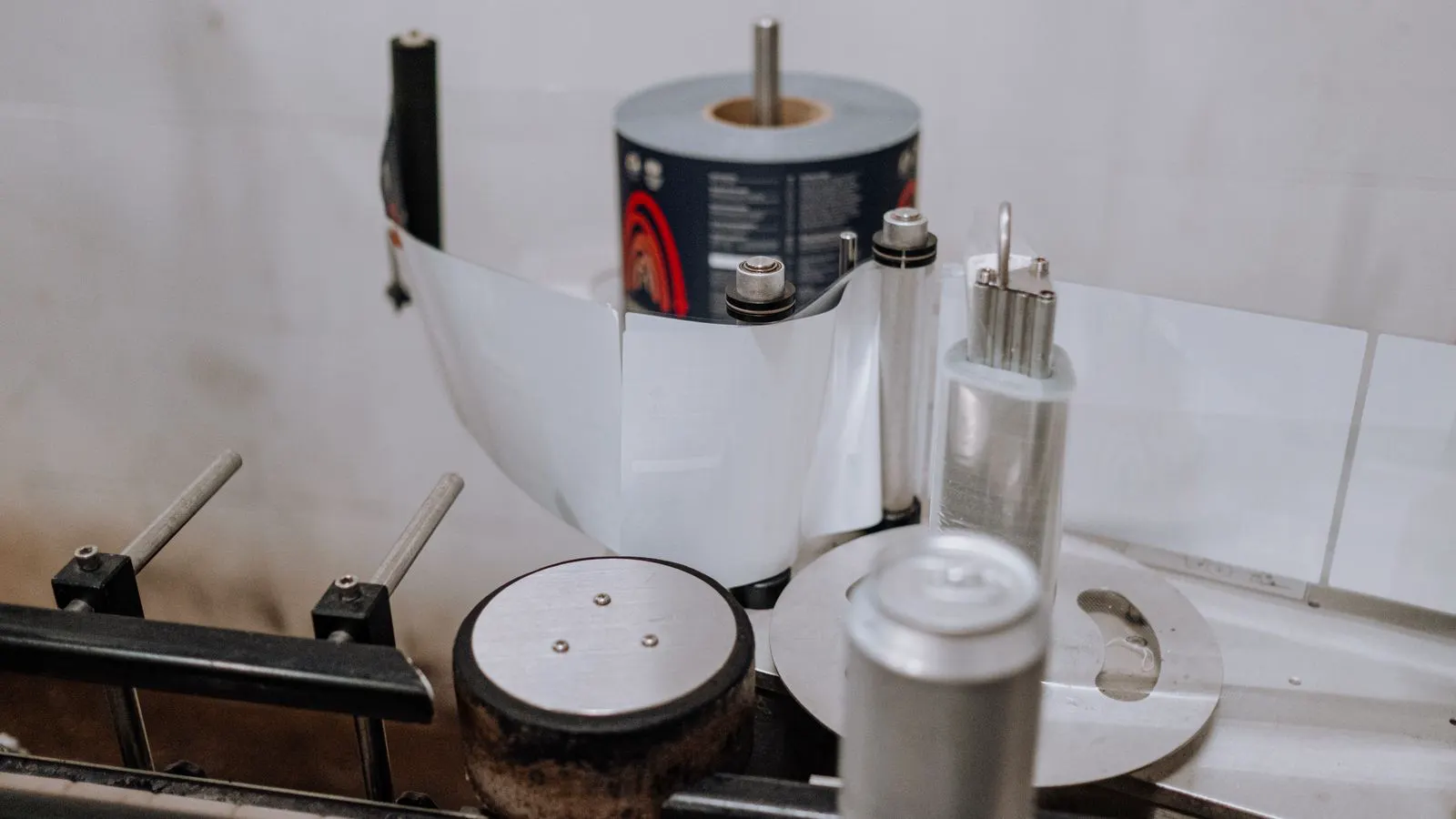
The second task is applying a product label to the outside of the box. The label must be placed neatly and may need to be removed by the customer later. A pressure-sensitive adhesive is used here. The label is printed with the adhesive on the back. The operator presses the label onto the box. The adhesive forms a bond through contact. If the customer wants to remove the label, they can peel it off. The adhesive leaves little residue on the box.
If the facility had used a hot melt for the label, the bond would be permanent and the label would be difficult or impossible to remove. If it had used a pressure-sensitive adhesive for the carton closure, the bond would likely fail under the weight of the product or during transport. The choice of adhesive is driven by the functional requirement of the task.
Performance and long-term considerations
Hot melt adhesives can be sensitive to heat and moisture after they have cured. High temperatures may soften the joint. Humidity may affect the bond if the substrate is porous. The material is generally stable, but the environment matters.
Pressure-sensitive adhesives can be affected by UV light and temperature. Prolonged exposure to sunlight may cause the adhesive to dry out or lose its tack. High temperatures can soften the material and cause it to creep, meaning it slowly moves over time. This is a concern for applications that require the material to stay in place without shifting.
Both types of adhesives require surface preparation. Dirt, dust, or oil on the substrate will reduce bond strength. For hot melt, a clean surface ensures the molten material wets the surface properly. For pressure-sensitive, a clean surface ensures the adhesive can make full contact.
The long-term storage of these materials also differs. Hot melt adhesives are stored in solid form, but they must be protected from moisture to prevent degradation of the resin. They are often stored in cartridges or blocks that are fed into a heater. Pressure-sensitive adhesives are stored on carriers, such as rolls of tape. They must be protected from light and heat to maintain their tack. If the adhesive dries out, it will not bond effectively.
Selection criteria for quick assembly
When the goal is quick assembly, the speed of the process is the primary factor. Hot melt adhesives are often preferred because they set rapidly. The operator can apply the adhesive and move on to the next step immediately. The bond forms while the material cools. This allows for a continuous production flow.
Pressure-sensitive adhesives can also be used for quick assembly, but they require careful placement. The operator must position the material accurately because it is difficult to reposition once it is pressed down. If the material is placed incorrectly, it may need to be peeled off and reapplied. This adds time and may stress the adhesive layer.
The choice also depends on the materials being joined. Hot melt adhesives bond well to many plastics, wood, paper, and metals. They are versatile in this regard. Pressure-sensitive adhesives are excellent for bonding to smooth, non-porous surfaces like paper, film, and rigid plastics. They may not bond well to rough or porous surfaces unless a special formulation is used.
A buyer should consider the failure mode. If the joint is expected to fail, a hot melt may break cleanly, while a pressure-sensitive bond may tear the substrate or the adhesive layer. This affects the quality of the final product and the ease of recycling.
Equipment and operator training
The equipment for hot melt application is more complex. The dispenser has a heated barrel, a pump or a screw, and a nozzle. The operator must monitor the temperature and the pressure. They must adjust the settings if the adhesive is not flowing correctly or if the bond is weak. Training is required to ensure the operator understands the material’s behavior.
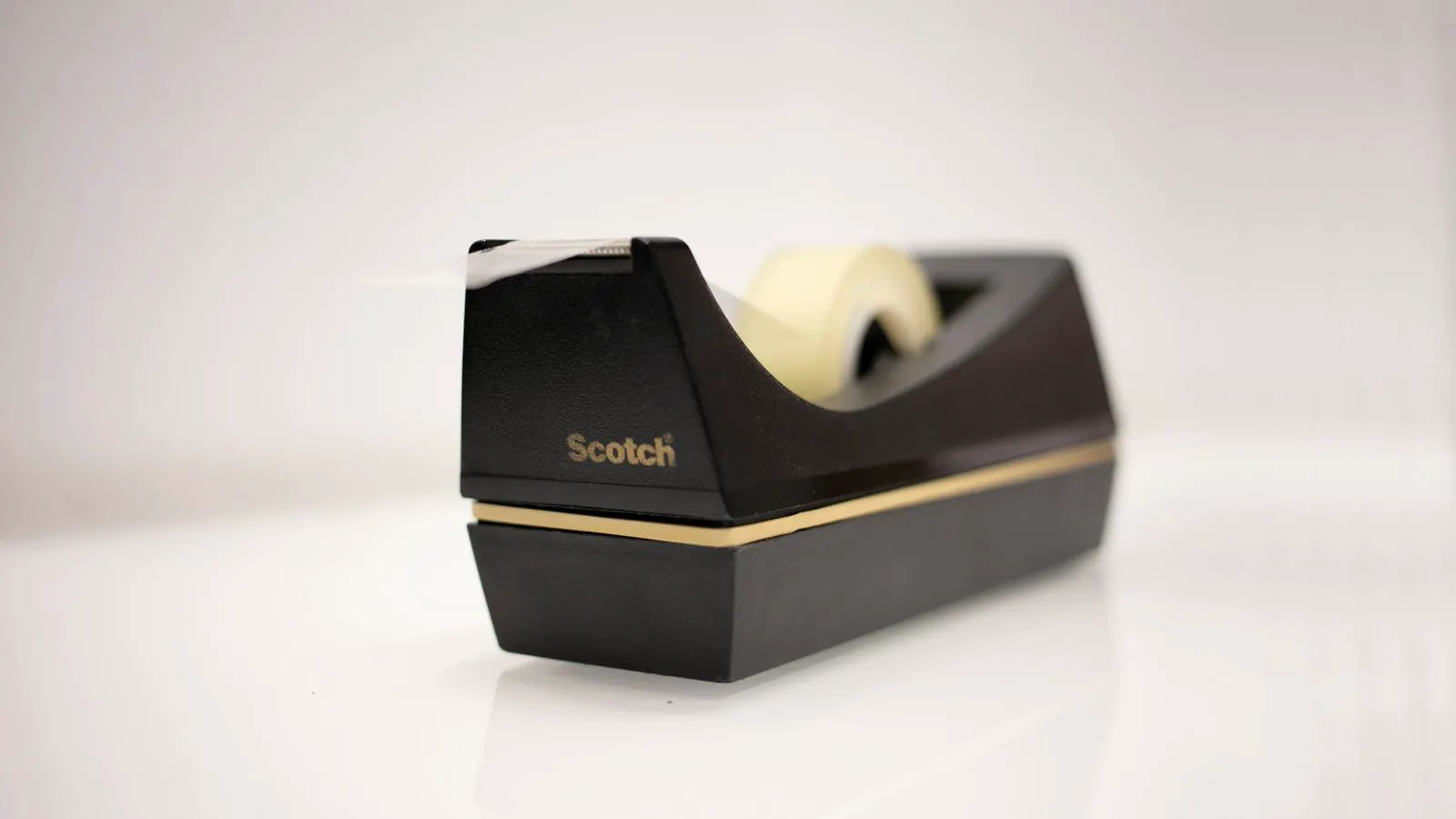
The equipment for pressure-sensitive application is simpler. A tape dispenser or a label applicator may be sufficient. The operator focuses on placement and pressure. They must ensure the material is cut to the correct size and applied evenly. Training is less about temperature control and more about precision and surface preparation.
The cost of the equipment and the training are part of the total cost of ownership. A hot melt system may cost more upfront but can run at high speeds. A pressure-sensitive system may have lower capital costs but may require more manual effort to achieve the same quality.
Environmental and regulatory factors
Both types of adhesives have environmental considerations. Hot melt adhesives are generally low in volatile organic compounds because they do not require solvents. They are applied as a liquid that solidifies, so there is minimal fume. However, the energy used to heat the material is a factor.
Pressure-sensitive adhesives may contain solvents or other chemicals in the adhesive layer. The carrier material must be considered for recycling. Some pressure-sensitive adhesives are difficult to separate from the substrate, which can complicate recycling processes. Buyers should look for materials that are easier to process in waste streams.
Regulations may affect the choice. If the product is for food contact, the adhesive must meet safety standards. Both types of adhesives can be formulated to meet these standards, but the buyer must verify the specifications. The choice of adhesive must align with the product’s intended use and the legal requirements of the market.
Final thoughts
The difference between hot melt adhesive and pressure-sensitive adhesive is fundamental. One cures by heat, the other bonds by contact. This difference dictates how the material is applied, how the equipment is designed, and how the operator trains. The choice is not just about stickiness. It is about the physics of the bond and the requirements of the application.
A buyer should look at the function of the joint. If it must hold permanently and withstand force, hot melt is often the better choice. If it must hold temporarily and be removed, pressure-sensitive is the better choice. The decision should be based on the specific needs of the product and the production line.
Understanding these differences helps in sourcing the right material and avoiding costly errors. It ensures that the adhesive chosen fits the job and performs as expected over the life of the product.
Frequently asked questions
Can a hot melt adhesive be removed after it has cured?
Generally, no. Hot melt adhesive forms a permanent bond that is difficult to separate without damaging the substrate. Pressure-sensitive adhesive is designed to be removable.
Which adhesive is better for high-speed packaging lines?
Hot melt adhesive is often preferred for high-speed lines because it cures quickly. The rapid setting allows for continuous operation without waiting for a chemical cure.
Do pressure-sensitive adhesives require heating to bond?
No. Pressure-sensitive adhesives bond at room temperature through contact and force. They do not require heat to activate.
Can hot melt adhesive be used on all materials?
It bonds well to many materials, but surface preparation is key. Porous or oily surfaces may require primers or specific formulations to ensure a good bond.
How does the open time of hot melt adhesive affect the process?
Open time is the window during which the molten adhesive is workable. A longer open time gives more time for placement, which is useful for complex assemblies. A shorter open time is suitable for high-speed, simple tasks.