Troubleshooting Chalking and Discoloration in Silicone Sealants
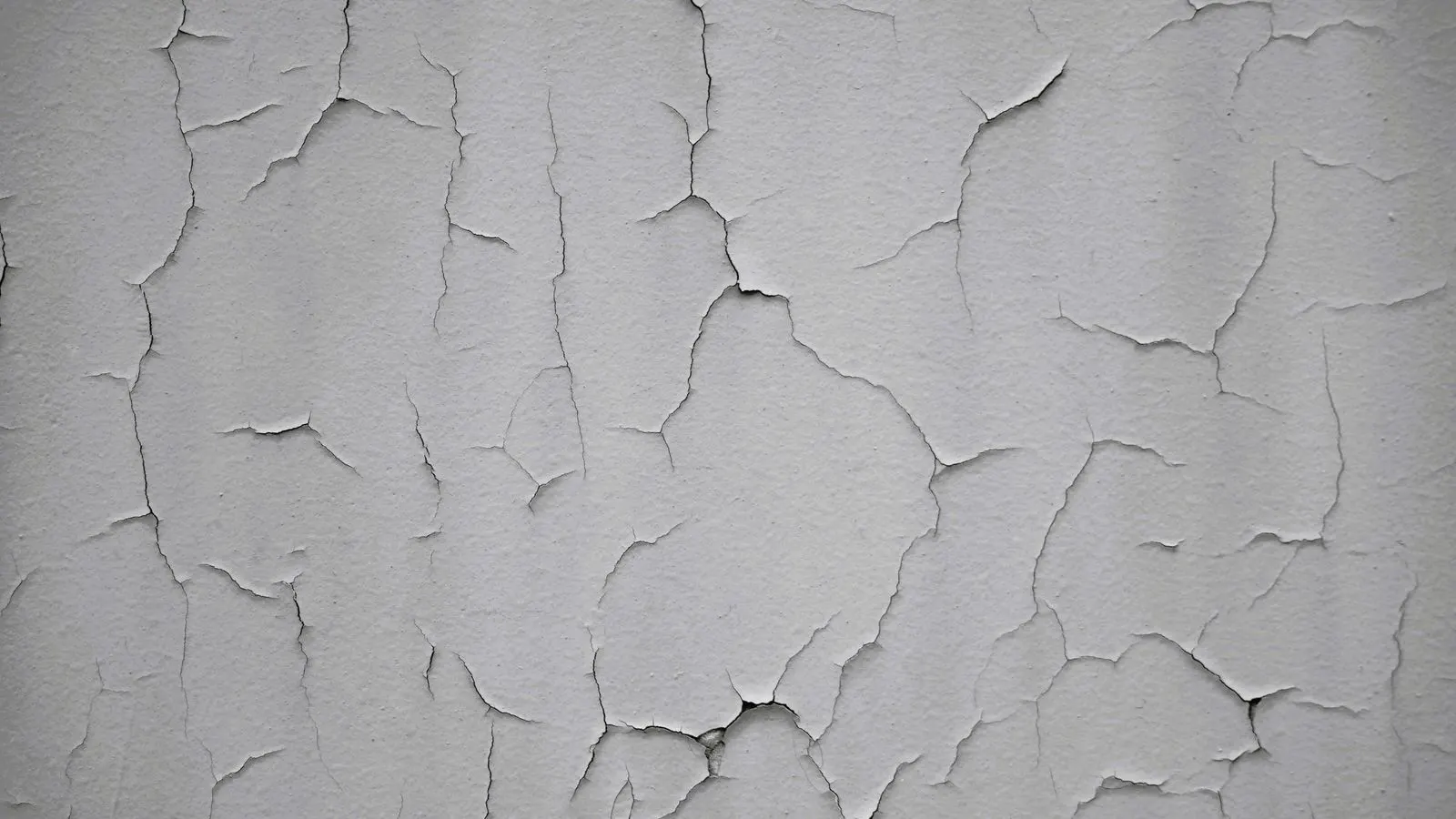
Chalking and discoloration in silicone sealant usually stem from UV exposure, contamination, or poor surface preparation. Identify the cause by checking the joint edges

Compare flexible sealants for weatherproofing, gap filling, and thermal movement applications in construction.

Chalking and discoloration in silicone sealant usually stem from UV exposure, contamination, or poor surface preparation. Identify the cause by checking the joint edges
Proper surface preparation is the deciding factor in polyurethane sealant performance. This guide details the specific priming steps required for concrete, steel, and

Flexible sealants crack when thermal movement or structural expansion pushes the joint beyond its design limits. The failure stems from material strain, poor joint

Polyurethane sealant prices depend on resin type, packaging, and logistics. Bulk buyers should itemize materials and delivery terms in their RFQs. Comparing quotes

Silicone sealant generally handles UV exposure better for exterior joints. Polyurethane sealant can fail faster under direct sunlight unless properly protected. The

Polyurethane sealant technology is moving toward lower-VOC formulations, improved weathering resistance, and easier application methods. This guide outlines six shifts

Proper silicone sealant application requires clean, dry joints and correct bead sizing to create a durable weatherproof barrier. This guide covers surface preparation

Proper joint preparation determines sealant performance. This checklist covers surface cleaning, moisture control, masking, and priming to ensure strong adhesion and

Polyurethane sealant failure usually results from poor surface preparation, moisture, or joint movement. Identify the specific symptom, correct the cause, and apply the

Silicone sealant cost varies based on resin type, container size, and origin. Importers must account for shipping, duties, and freight. Lead times depend on production

Temperature changes cause substrates to expand and contract, creating stress on sealant joints. Choosing flexible sealants with the right elastic recovery and low

Choose flexible sealants by matching material properties to movement, chemical exposure, and weather conditions. Evaluate adhesion, cure time, and maintenance