Explaining Surface Energy in Glass and Ceramic Bonding
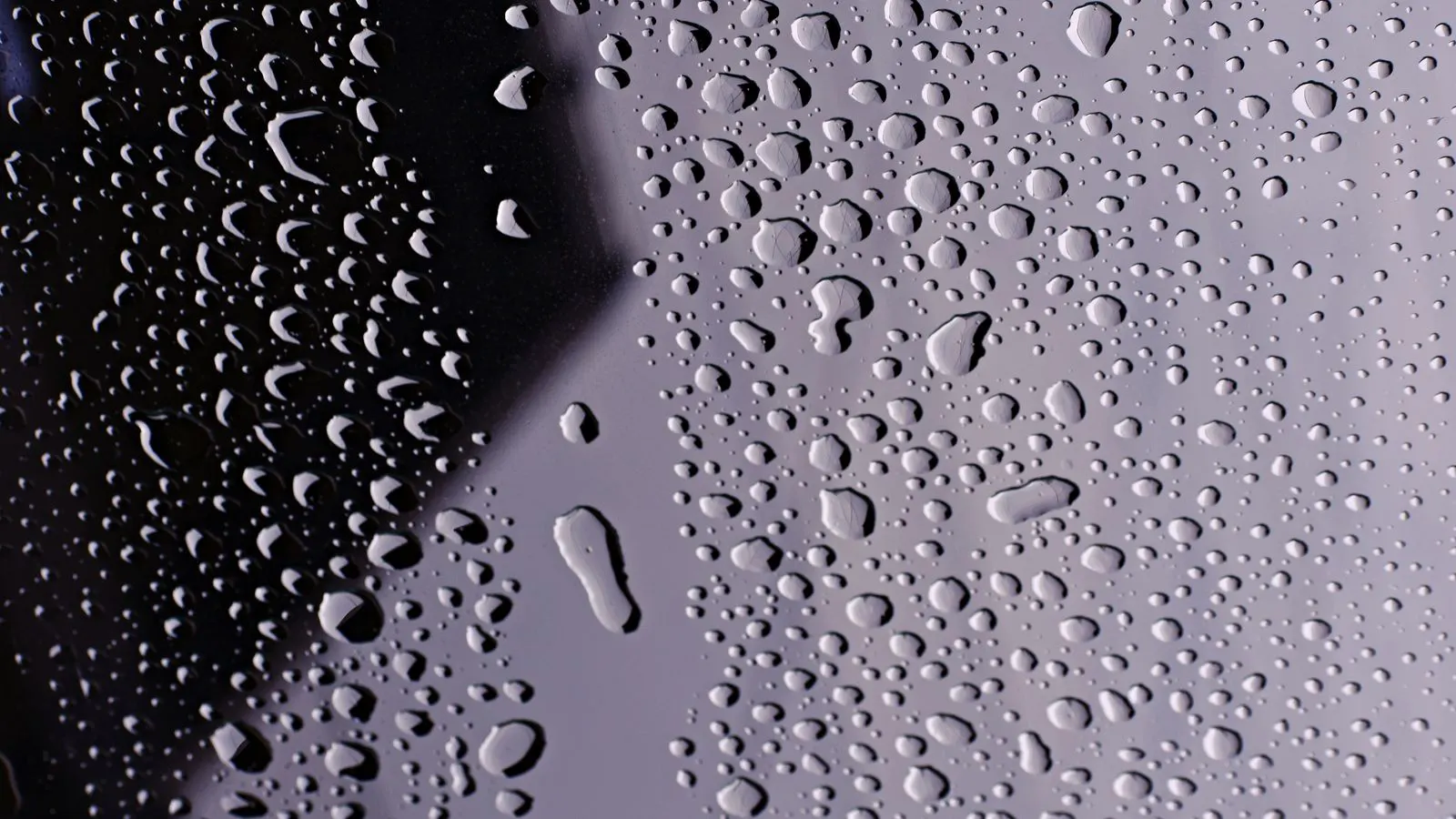
Glass surface energy determines how well adhesives wet and bond to the substrate. Lower energy surfaces resist wetting, causing weak or failed joints. Buyers must match adhesive chemistry to the substrate and control surface preparation to achieve reliable performance in ceramic bonding and glass sealants applications.
- Glass surface energy directly affects how well an adhesive wets the surface and forms a mechanical interlock.
- Surface preparation, such as cleaning and roughening, is often more impactful than adhesive selection alone.
- Low surface energy contaminants like oils and siloxanes can compromise the bond line before the adhesive even contacts the glass.
- Ceramic bonding often requires specific chemistries that account for both the substrate energy and the cure environment.
- Always verify substrate energy with a contact angle test or consult technical data sheets for specific glass types.
What Is Glass Surface Energy and Why Does It Matter
Glass surface energy is the measure of how strongly a surface attracts molecules from another material. It is not a single number for all glass. It changes based on composition, surface finish, and contamination. High surface energy surfaces are eager to accept liquid. Low surface energy surfaces resist it.
In industrial applications, this distinction drives failure. An adhesive that bonds well to a clean, high energy glass panel may fail on a contaminated panel with low surface energy. The adhesive beads up instead of spreading. The wetted area shrinks. The bond line thins. The joint loses strength.
For buyers, surface energy is a specification, not a footnote. It determines whether a glass sealant or a structural adhesive will perform under load, heat, or moisture. It also dictates the required preparation time and cost. A simple wipe down may not be enough. A chemical etch or mechanical abrasion may be required.
How Surface Energy Affects Adhesion on Glass
The primary mechanism of adhesion on glass is physical wetting. The adhesive must spread across the surface to create a large contact area. Surface energy acts as a threshold. If the adhesive surface tension is higher than the substrate surface energy, the adhesive will not spread. It will contract into a bead.
This is where glass surface energy becomes a critical variable. Standard soda lime glass has a moderate surface energy. Borosilicate glass has a different profile. Tempered glass may have residual stresses that affect surface energy. Contamination from handling oils drops the energy further.
When wetting fails, the bond relies on weak mechanical interlock or surface tension alone. These are often insufficient for structural loads. The result is delamination or cracking at the interface. The joint may look intact from the outside but fail under stress.
Surface Preparation: The Biggest Variable
Surface preparation is the most effective way to control glass surface energy. It is also the most common source of failure. Many buyers underestimate this step. They select the adhesive first and treat preparation as a formality.
There are three main methods. Cleaning removes oils and dust. This is a baseline. Roughening increases surface area and creates mechanical keys. Etching chemically modifies the surface to increase energy. Each method has trade-offs.
Cleaning is fast but temporary. Fingerprints and handling oils return quickly. Roughening, such as sandblasting or grinding, is permanent but changes the surface geometry. Etching, such as fluorine acid or ceramic etch, increases energy but introduces waste and handling hazards.
For high reliability, a combination is often used. A mechanical roughen followed by a rigorous clean. The sequence matters. Roughening before cleaning is better than cleaning before roughening. Dust from roughening can contaminate the surface if not removed.
How to Measure and Verify Surface Energy
You can estimate surface energy from technical data sheets, but you should verify it on your specific substrate. Contact angle testing is the standard method. A drop of liquid with a known surface tension is placed on the glass. The angle of contact is measured.
A low contact angle means good wetting. A high contact angle means poor wetting. This test takes minutes. It can be done in the field with a digital goniometer. It also helps you select the right adhesive. If your adhesive has a high surface tension, you need a high surface energy substrate or a primer.
Buyers often skip this step. They assume the glass is standard. It is not. Different glass suppliers, different batches, different finishes. A contact angle test gives you data. It removes guesswork. It also creates a record for your quality system.
Choosing Glass Sealants and Ceramics Bonding Systems
When sourcing, look for adhesives designed for low surface energy substrates. Silicone sealants are common for glass. They have low surface tension and good flexibility. They are good for gasketing and non-structural joints. They are not good for high load.
Epoxy adhesives are stronger but have higher surface tension. They require a high surface energy substrate. They are used in ceramic bonding where strength is the priority. They are brittle. They do not handle vibration or thermal shock well.
Acrylates are fast and low surface tension. They are good for some glass applications. They are not as durable as epoxy or silicone. They may yellow over time.
The choice depends on the function. If you need a flexible gasket, use a silicone sealant. If you need a structural bond, use an epoxy or a modified system. If you need a fast cure, use an acrylate. Match the chemistry to the load, the environment, and the substrate energy.
Practical Sourcing Decisions
When writing your request for quotation, specify the glass type. Do not just say glass. Specify soda lime, borosilicate, tempered, or annealed. Specify the surface finish. Specify any coatings. Specify the cleaning method.
Ask the supplier for the recommended surface energy value. Ask for the minimum contact angle. Ask for the required surface preparation. Ask for the cure conditions. Ask for the service temperature range.
Do not accept a generic recommendation. Ask for a data sheet. Ask for a test report. Ask for a sample. Test it on your specific substrate. Test it with your specific preparation. Do not skip the field test.
A common mistake is to buy the cheapest adhesive. The adhesive is a small part of the total cost. Preparation and failure costs are larger. A cheap adhesive that fails on the first batch is more expensive than a premium adhesive that works.
Worked Example: A Failed Joint
A manufacturer bonded glass panels to a ceramic frame. They used a standard epoxy. The joint failed after two weeks. The failure was at the interface. The adhesive had not wetted the glass.
The root cause was contamination. The glass was handled with bare hands. Oils from skin reduced the surface energy. The epoxy beaded up. The contact area was tiny. The bond was weak.
The fix was a new preparation protocol. The glass was cleaned with a solvent. It was then etched with a ceramic etch. The surface energy increased. The epoxy wetted fully. The joint passed the load test.
The cost of the fix was higher. But the cost of the failure was much higher. Downtime, rework, and scrap. The lesson is clear. Surface preparation is not optional. It is the foundation.
Common Mistakes in Glass and Ceramic Bonding
Buyers often make the same errors. They skip the contact angle test. They assume the glass is clean. They use the wrong adhesive. They cure too fast. They ignore the environment.
Skipping the test leads to guesswork. Assuming the glass is clean leads to contamination. Using the wrong adhesive leads to failure. Curing too fast leads to stress. Ignoring the environment leads to degradation.
Each mistake is avoidable. Each mistake has a cost. The cost is not just the adhesive. It is the system. The system is the bond. The bond is the product.
How Surface Energy Changes with Temperature
Surface energy is not static. It changes with temperature. As temperature increases, surface energy decreases. This means a joint that works at room temperature may fail at high temperature.
This is a problem for automotive and aerospace applications. The glass is exposed to heat. The adhesive loses its wetting ability. The bond weakens. The joint fails.
Buyers must specify the service temperature. They must ask for the temperature stability of the adhesive. They must test at the service temperature. They must not assume room temperature performance applies to hot conditions.
Final Thoughts for Buyers
Glass surface energy is a practical variable. It is not a theoretical concept. It affects your cost, your lead time, and your yield. It affects whether your product works or fails.
Treat it as a specification. Measure it. Control it. Match it to your adhesive. Test it. Verify it. Do it every time.
The result is a reliable bond. A reliable bond is a reliable product. A reliable product is a profitable business.
Frequently asked questions
What is the typical surface energy of soda lime glass?
Soda lime glass has a moderate surface energy. It is not a single value, but it is generally higher than plastic and lower than some metals. The exact value depends on composition and surface condition.
Can I use any silicone sealant on glass?
No. You must match the silicone to the glass type and the application. Some silicones are for general gasketing. Some are for high heat. Some are for structural loads. Check the technical data sheet.
How do I remove oils from glass before bonding?
Use a solvent wipe. Isopropyl alcohol or a dedicated glass cleaner works. Wipe with a lint free cloth. Do not touch the surface after cleaning. Let it dry fully.
Is roughening always better than cleaning?
No. Roughening is for high load applications. It creates mechanical keys. It is not needed for simple gaskets. It also changes the surface. Use it only when required.
How long does a contact angle test take?
It takes a few minutes. You need a goniometer and a liquid with known surface tension. It is a simple, repeatable test. It gives you a number you can use.