Silicone Sealant Cost and Lead Time for Importers
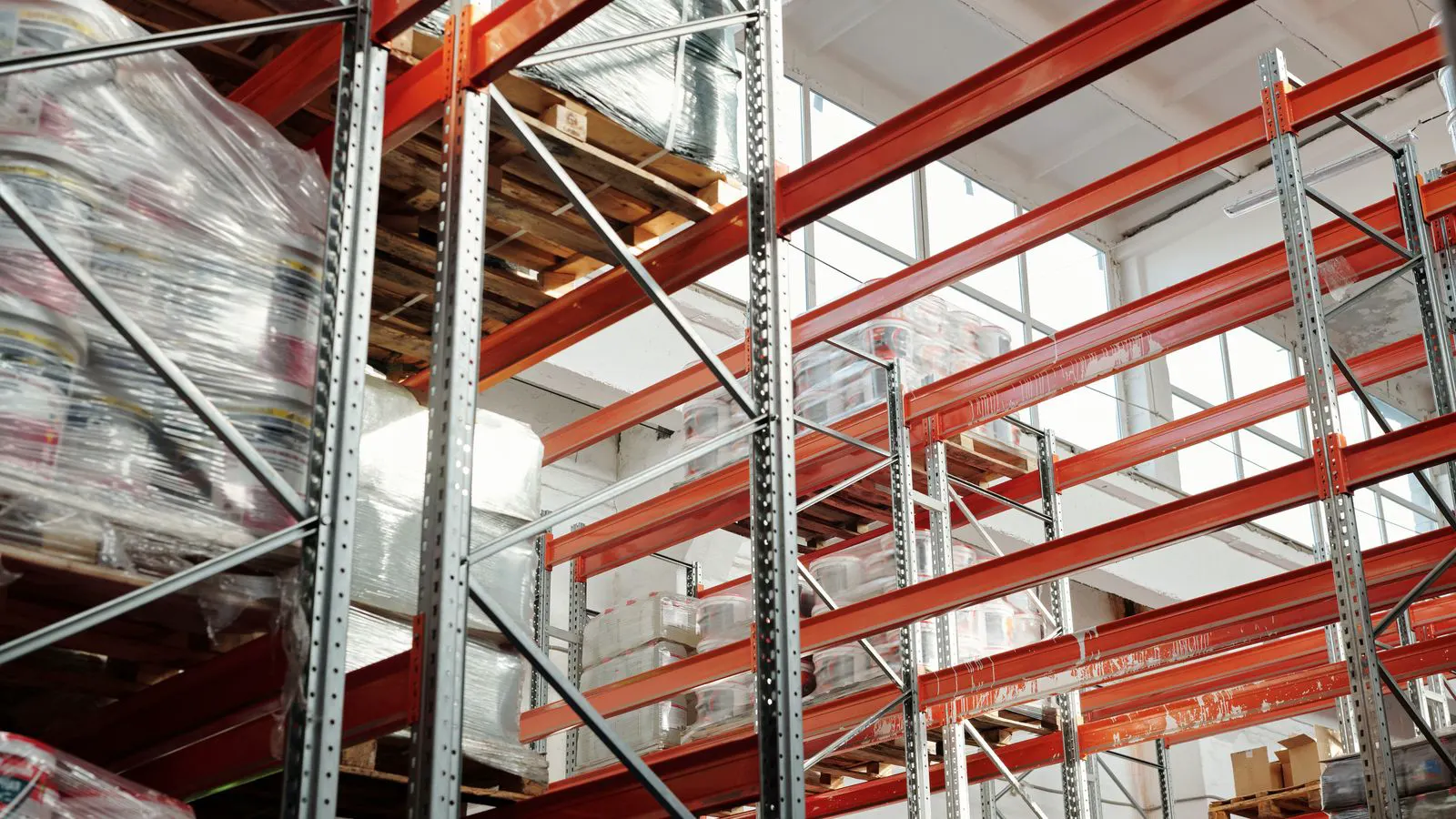
Silicone sealant cost varies based on resin type, container size, and origin. Importers must account for shipping, duties, and freight. Lead times depend on production schedules and customs clearance. A clear RFQ and total landed cost comparison are key to fair sourcing.
- Silicone sealant cost depends on resin type, container size, and origin.
- Lead times vary by production capacity and customs clearance.
- A clear RFQ with total landed cost requirements improves quote accuracy.
- Compare quotes based on total cost, not just unit price.
Why Silicone Sealant Costs Vary
Silicone sealant cost is not a single number. It changes based on the resin system, container size, and origin. A standard acrylic-based silicone may cost less than a high-performance polyurethane hybrid. Importers must understand the variables before requesting quotes.
The base material is the primary driver. Standard silicone resins are commodity products. Specialty grades with additives, such as flame retardants or UV stabilizers, cost more. The formulation matters. A sealant for general construction joints differs from one used in aerospace or food contact applications. The performance specifications drive the raw material cost.
Consider a gasket maker for automotive engine bays. It must resist heat and oil. A standard potting compound for electronics may not need the same thermal resistance but might require a lower shrinkage rate. These differences change the raw material bill of lading. If a sealant needs to remain flexible at minus 30 degrees, the polymer chain structure must be different from one designed for high-temperature bonding. That chemical difference is the basis of the price difference.
Container size also affects the price per unit. Buying in 310 ml cartridges costs more than buying in 19 kg pails. The larger the volume, the lower the unit cost. This is due to reduced packaging and handling. Importers should plan their orders to match their actual consumption. Ordering too much ties up capital. Ordering too little increases the frequency of shipments and freight charges.
The packaging structure itself carries cost. A 19 kg pail requires a heavy-duty plastic or metal container, a lid, and a seal. A 310 ml cartridge requires a flexible plastic body, a cap, and a nozzle. The nozzle adds a small cost but is necessary for application. When moving from small to large volumes, the supplier saves on the per-unit packaging cost. However, the large pail costs more in absolute terms. The importer must balance the storage space required for the pails against the savings on the unit price.
Origin plays a significant role. Manufacturing in regions with lower labor costs may reduce the base price. However, shipping distances and freight rates can offset those savings. An importer in Europe sourcing from Asia faces different logistics than one sourcing from North America. The total landed cost must reflect all these factors.
For example, a supplier in China may offer a lower factory price for a standard silicone sealant. But if the importer is in Germany, the ocean freight, insurance, and handling fees must be added. If the supplier is in France, the freight cost is lower, but the factory price may be higher. The importer must calculate the total landed cost. This calculation includes the product price, the freight, the insurance, and the customs duties. The supplier with the lowest factory price is not always the supplier with the lowest landed cost.
What Drives Lead Time for Importers
Lead time is the period from placing the order to receiving the goods. It includes production time, internal processing, transportation, and customs clearance. For silicone sealants, production time is usually short for standard products. Specialty formulations may require longer production runs.
Standard silicone sealants are often made in continuous processes. The resin, filler, and cure agent are mixed and packed. This process can be done quickly. If the supplier has the material in stock, the production time may be one or two days. However, if the supplier must mix a specialty grade, the time extends. A grade with a specific flame retardant may require a separate mix. The equipment must be cleaned to prevent cross-contamination. This adds time to the production schedule.
Internal processing is often overlooked. The supplier needs to prepare documents, confirm packaging, and arrange logistics. This can take several days. If the importer requests specific labeling or packaging, this process takes longer.
Specific labeling is a common cause of delay. If the importer requires their own brand name, a specific color code, or a special safety data sheet, the supplier must print these labels. The supplier may need to order new label stock. This takes time. The supplier must also apply the labels to the pails or cartridges. This is a manual process. If the order is for 500 pails, labeling takes longer than for 50 pails.
Transportation time depends on the route. Ocean freight is slower but cheaper. Air freight is faster but expensive. The choice of mode affects the total lead time. A supplier in the same country as the importer can deliver in days. A supplier across an ocean may take weeks.
Ocean freight is the standard for bulk orders. A container of 19 kg pails can be shipped in a standard 20-foot container. The transit time from Asia to Europe is typically three to four weeks. The transit time from Asia to the Americas is longer, often five to seven weeks. This time must be added to the production and processing time. If the importer needs the goods in two weeks, ocean freight is not an option. Air freight is the alternative.
Customs clearance is the final hurdle. Documentation errors cause delays. Missing invoices, incorrect HS codes, or incomplete certificates of origin hold shipments at the border. Importers must ensure all documents are accurate. They should also account for the time required for inspection.
Customs clearance varies by country. In some countries, the process is automated. The importer submits the documents electronically, and the system processes them quickly. In other countries, the process is manual. An officer reviews the documents. If there is a question, the shipment is held. The importer must then provide clarification. This can take days.
How to Write a Clear RFQ
A Request for Quotation (RFQ) is the foundation of a fair comparison. A vague RFQ leads to vague quotes. Importers must provide specific details.
Start with the product specification. List the exact type of silicone sealant. Include the resin type, performance requirements, and intended use. Specify the container size and packaging. For example, “19 kg pails, standard labeling” is clear. “Large containers” is not.
The specification should include the physical properties. The importer should list the modulus, the elongation, and the service temperature. If the sealant will be used in a specific application, the importer should state that. For example, “for sealing between aluminum and glass in a window frame.” This tells the supplier the material compatibility. The supplier can then recommend the correct grade.
State the quantity. Is it a one-time order or a recurring purchase? Recurring orders often qualify for better pricing. Mention the expected volume. For example, “10 pails per month, starting next quarter.”
The quantity should be specific. If the importer expects to order 10 pails per month for 12 months, the total volume is 120 pails. This helps the supplier plan their production. It also helps the supplier determine the freight cost. A one-time order of 10 pails is a small shipment. A recurring order of 10 pails per month allows the supplier to consolidate shipments. The freight cost per unit is lower for the recurring order.
Include the desired delivery terms. Use standard Incoterms such as FOB, CIF, or DDP. FOB means the buyer pays shipping and insurance. CIF includes freight, insurance, and customs. DDP means the seller handles everything up to delivery at the buyer’s door. The terms affect who bears the risk and cost.
The choice of Incoterm depends on the importer’s capability. If the importer has an experienced freight forwarder, FOB may be the best option. The importer controls the shipping and can choose the best carrier. If the importer does not have a forwarder, DDP may be better. The supplier handles all the logistics. However, the DDP price is usually higher than the FOB price. The importer must compare the total cost.
Request the total landed cost. This includes the product price, shipping, insurance, and duties. It helps the importer compare quotes fairly. A quote that only shows the unit price is incomplete.
The importer should ask for the quote to be broken down. The unit price should be listed separately from the freight. The insurance should be listed. The duties should be estimated. This transparency allows the importer to see where the cost comes from. It also allows the importer to negotiate on specific items.
How to Compare Quotes Fairly
Comparing quotes requires looking beyond the unit price. Two suppliers may offer different prices but different terms. The total cost of ownership is what matters.
Check the delivery terms. Supplier A may offer a lower unit price but requires the buyer to arrange freight. Supplier B may offer a higher unit price but includes shipping to the buyer’s warehouse. The total cost may be similar.
The delivery terms also affect the risk. If the importer uses FOB, the risk passes to the buyer when the goods are loaded on the vessel. If the importer uses DDP, the risk stays with the supplier until the goods are delivered. The importer must decide which risk is acceptable. If the importer is new to importing, DDP may be safer. The supplier handles all the details. The importer only receives the goods.
Consider the payment terms. A supplier demanding 50% upfront payment is riskier than one offering 30 days net. The cost of capital matters. If the supplier offers a discount for early payment, calculate if it is worth the cash flow impact.
Payment terms are a significant factor. A 2% discount for payment within 10 days may be attractive. But if the importer has to borrow money to pay early, the interest cost may be higher than the discount. The importer must calculate the net benefit. A 30 days net term is standard. It gives the importer time to receive the goods and verify them before paying. This reduces the risk of quality issues.
Evaluate the supplier’s reliability. A slightly higher price may be justified if the supplier has a better track record. Ask for references. Check if they have experience exporting to your region. A reliable supplier reduces the risk of delays and quality issues.
Reliability is hard to measure from a quote. The importer must ask questions. Ask the supplier how long they have been in business. Ask if they have a quality management system. Ask for a certificate of conformance. These documents provide evidence of quality. The importer can also check the supplier’s reputation online. Look for reviews from other importers. This provides a real-world view of the supplier’s performance.
Use a standard comparison sheet. List each quote in a table. Include the unit price, freight, insurance, duties, and payment terms. Calculate the total landed cost per unit. This makes the comparison objective.
A comparison sheet is a simple tool. It lists the key items for each quote. It allows the importer to see the differences at a glance. The importer can then focus on the items that matter most. For example, if the landed cost is the same, the importer may choose the supplier with the better payment terms. If the landed cost is higher, the importer may choose the supplier with the better reliability.
A Table of Cost Drivers
Understanding the cost drivers helps importers negotiate better. The table below lists the main factors and their impact.
| Cost Driver | Impact on Price | Impact on Lead Time |
|---|---|---|
| Resin Type | Specialty resins cost more than standard. | Specialty formulations may take longer to produce. |
| Container Size | Larger containers have lower unit costs. | Larger orders may require longer production runs. |
| Origin | Lower labor costs in some regions. | Shipping distance affects transit time. |
| Packaging | Custom packaging increases cost. | Custom labeling adds processing time. |
| Freight Mode | Ocean is cheaper than air. | Ocean is slower than air. |
| Customs Clearance | Duties and fees add to cost. | Documentation errors cause delays. |
This table summarizes the main factors that affect the cost and lead time. The importer should use this table as a checklist when evaluating quotes. If a quote does not address these factors, the quote is incomplete. The importer should ask the supplier for clarification.
How to Manage Your Import Process
Managing the import process requires planning and communication. Importers should establish a timeline for each order. Start with the RFQ. Follow up with the supplier. Confirm the production schedule.
The timeline should be realistic. If the importer expects the goods in two weeks, the supplier must confirm that they can deliver in that time. If the supplier cannot, the importer must adjust the timeline. Do not assume that the goods will arrive on time. Always build in a buffer.
Coordinate with your freight forwarder early. They can advise on the best shipping options. They can also help with customs clearance. The forwarder knows the regulations in your country. They can prevent costly mistakes.
The forwarder is a key partner. They handle the logistics. They book the shipping. They prepare the customs documents. They pay the duties. They deliver the goods to the importer’s warehouse. The importer should choose a forwarder that has experience with the supplier’s region. This ensures that the forwarder understands the local regulations and practices.
Monitor the shipment. Use tracking numbers to follow the goods. Communicate with the supplier if there are delays. If the shipment is delayed, adjust your inventory planning. Do not panic. Have a backup plan.
Monitoring the shipment is a proactive step. The importer should check the tracking status regularly. If there is a delay, the importer should contact the supplier. The supplier may be able to provide a new estimated arrival date. The importer should then inform their customers or adjust their production schedule. This communication prevents surprises.
Keep records of all transactions. Store invoices, contracts, and shipping documents. These records are useful for audits and for future negotiations. They also help you track your spending and performance.
Records are essential for financial management. They allow the importer to track the cost of each order. They allow the importer to compare the actual cost with the budget. They also provide evidence of the transaction. If there is a dispute, the records can be used as proof.
Common Mistakes Importers Make
Many importers make avoidable mistakes. They order without understanding the total cost. They focus on the unit price and ignore freight and duties. This leads to budget overruns.
The most common mistake is underestimating the total cost. The importer sees a low unit price and assumes it is a good deal. But when the freight and duties are added, the total cost is higher than expected. The importer should always calculate the total landed cost. This includes all the costs associated with the shipment.
They do not specify the container size. This leads to confusion. The supplier may send the wrong product. This causes delays and extra shipping costs.
The second common mistake is not specifying the container size. The importer writes “large containers” in the RFQ. The supplier interprets this as 19 kg pails. But the importer wanted 310 ml cartridges. The supplier sends the pails. The importer has to pay for the return shipping. This is a costly mistake. The importer should always specify the exact container size and packaging.
They do not plan for customs clearance. They submit incomplete documents. The shipment is held. This causes delays and storage fees.
The third common mistake is not planning for customs clearance. The importer submits the documents without checking them. The documents are incomplete or incorrect. The shipment is held at the border. The importer pays storage fees. The goods do not arrive on time. The importer should always check the documents with their forwarder before submitting them.
They do not build in a buffer for lead time. They order too late. The goods arrive after they are needed. This causes production downtime.
The fourth common mistake is not building in a buffer. The importer orders the goods with no extra time. The shipment is delayed. The goods do not arrive on time. The importer’s production is stopped. This is a serious consequence. The importer should always build in a buffer. If the expected lead time is four weeks, order five weeks in advance. This allows for delays.
Final Thoughts
Silicone sealant cost and lead time are manageable if you understand the variables. You must consider the product specification, container size, origin, and logistics. You must write a clear RFQ. You must compare quotes fairly. You must manage the import process carefully. By doing so, you can secure the best price and delivery terms for your business.
Frequently asked questions
How does container size affect silicone sealant cost?
Larger containers have a lower unit cost due to reduced packaging and handling. Importers should plan orders to match their consumption to avoid tying up capital.
What is the biggest factor in lead time?
Transportation time is often the longest part. Ocean freight is slower but cheaper. Air freight is faster but expensive. The choice of mode significantly affects the total lead time.
Should I order in bulk to save money?
Bulk orders can lower the unit cost, but they tie up capital. You should only order in bulk if you have the storage space and can use the product before it expires.
How can I reduce customs delays?
Ensure all documents are accurate and complete. Work with a reliable freight forwarder who knows the regulations in your country. Avoid documentation errors.
Is it worth paying more for a faster shipment?
It depends on your situation. If you face a production emergency, air freight may be worth the extra cost. If you have inventory, ocean freight is a better choice.