Checklist for Evaluating Adhesive Supplier Documentation

This guide provides a practical checklist for evaluating adhesive supplier documentation. It covers technical data sheets, safety data sheets, batch records, and compliance certificates. You will learn how to verify completeness and catch red flags before signing a supply agreement.
- Review technical data sheets for specific substrate and cure data, not just generic marketing language.
- Cross-check Safety Data Sheets against the exact chemical composition of the product you are buying.
- Verify that batch records and certificates of analysis match the lot numbers on the shipping labels.
- Confirm that compliance certificates are current and signed by a qualified representative of the supplier.
Why documentation matters for adhesive selection
Adhesive supplier documentation is your first line of defense against a failed application. A technical data sheet that lacks substrate specifics or a safety data sheet that does not match the actual formulation can cause rework, downtime, and compliance issues.
Engineers and buyers need more than a product name and a price. They need proof that the adhesive will perform in the specific environment and that the materials are safe to handle. This checklist helps you audit the paper trail before you place a large order.
In a production line, a failed joint is not just a quality defect. It is a stoppage. If the sealant fails under heat or pressure, the assembly line halts while your team troubleshootes. If the adhesive causes a chemical spill, your environmental team is on call. If the product fails a regulatory audit, your entire shipment may be rejected at the border or in the final quality check.
The documentation you receive from the supplier is the only external evidence you have that the product was manufactured to specification. It serves as the contract between what was promised and what was delivered. Without this paper trail, you are relying on verbal assurances that cannot be verified in a court of law or during a quality audit.
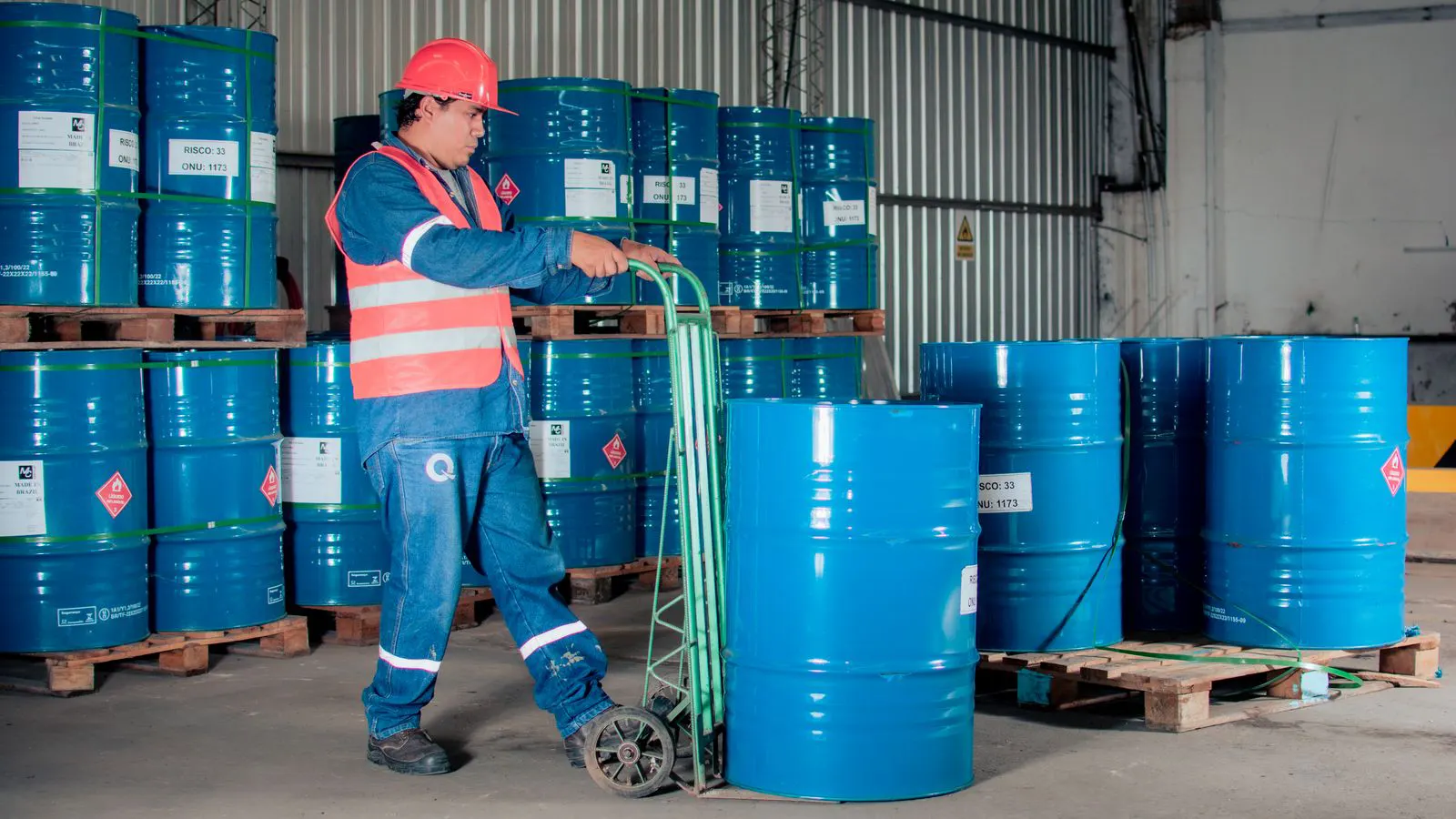
For professional buyers and engineers, the goal is to verify that the document corresponds to the physical product on the shelf. A document is only as good as its accuracy. If the data sheet describes a water-based polyurethane but the label on the drum indicates a solvent-based epoxy, you have a critical mismatch. This mismatch creates liability. It suggests that the supplier does not control their own inventory or that they are using generic marketing materials for specific products.
Does the technical data sheet match your application?
A generic data sheet is a warning sign. Look for specific values for the materials you are bonding. Check the section on substrate preparation. Does it mention surface energy, cleaning agents, or specific primers? If the document only says “clean and dry,” it is likely a marketing brochure, not a technical document.
Verify the cure conditions. Note the temperature and time required to reach full strength. For structural applications, check the service temperature range. Does the adhesive remain flexible at low temperatures? Does it crack at high temperatures?
Red flags to watch for:
- Vague performance claims without units of measurement.
- Missing data for specific substrates like carbon fiber or recycled plastics.
- Inconsistent information between the data sheet and the product label.
- No mention of shelf life or pot life after opening.
The technical data sheet, often abbreviated as TDS, is the primary reference for application parameters. It should not just list tensile strength or shear strength. It must explain how those values were achieved. For example, if the TDS states a shear strength of 2.5 MPa, it must specify the joint geometry, the substrate type, and the humidity level during the test. Without these variables, the number is meaningless.
Pay close attention to the substrate preparation section. Different materials require different treatments. Bonding to glass is different from bonding to steel. Bonding to aluminum requires an anodized surface or a specific primer to ensure adhesion. If the TDS does not specify the surface treatment, you are guessing. Guessing leads to delamination.
Cure conditions are another critical area. Adhesives do not cure at the same rate in a warehouse as they do on a production line. Temperature and humidity affect the chemical reaction. A two-part epoxy might require 24 hours at 20°C to reach full strength, but at 35°C, it might cure too quickly, trapping air bubbles or causing exothermic burns on the joint. The TDS must provide a table of cure times versus temperature. If it does not, ask the supplier for the data before you proceed.
Service temperature range is equally important. An adhesive that is flexible at -20°C might become brittle at -40°C. An adhesive that holds well at 80°C might soften at 120°C. For automotive or aerospace applications, the service temperature range must match the operating conditions of the vehicle or aircraft. If the TDS is silent on this, the product is likely not suitable for high-performance applications.
Is the safety data sheet current and accurate?
The Safety Data Sheet, or SDS, is a legal and safety requirement. It must be specific to the exact product formulation. Generic SDS documents that cover a whole family of adhesives are often insufficient for risk assessment.
Check the chemical composition section. The percentages of hazardous ingredients must add up correctly. If the SDS lists ingredients that are not in the product, the document is outdated or wrong. Verify the GHS hazard class and pictograms. Do they match the physical state of the adhesive? A solvent-based product should have different hazard warnings than a water-based one.
Red flags to watch for:
- An SDS revision date older than two years.
- Missing emergency contact numbers for the supplier.
- Hazard information that does not align with the product type.
- A statement that the SDS is “based on a similar product.”
The SDS is your primary safety document. It is required by law in most jurisdictions and is the first document your safety officer will request when a new chemical is introduced to the facility. It must be specific. If you buy a product labeled “Polyurethane Sealant A,” the SDS must be for “Polyurethane Sealant A,” not a general polyurethane family.
Check the revision date. Chemical formulations change. If the supplier changes a solvent or a hardener, the SDS must be updated. An SDS from three years ago may not reflect the current hazards. If the supplier provides an SDS with a generic “revision date” or no date at all, treat it as unverified.
The chemical composition section is often vague, listing only “trade secret” or “proprietary blend.” While this is common, you must ensure that the general hazard classification is still accurate. If the product is a flammable solvent, the SDS must list the flash point and auto-ignition temperature. If the SDS is a generic document for a non-flammable water-based product, but your product is solvent-based, the SDS is wrong.
Verify the GHS hazard class. The pictograms on the label must match the SDS. If the label has a flame symbol but the SDS does not mention flammability, there is a discrepancy. This discrepancy can lead to improper storage and handling. For example, if a solvent-based adhesive is stored near non-flammable materials, the flammability hazard may be underestimated.
Can you verify the batch and lot numbers?
Every container of industrial adhesive should have a unique lot or batch number. This number links the physical product to the manufacturing records. Without it, you cannot trace the adhesive back to the raw materials if a defect appears.
Request a Certificate of Analysis, or CoA, for each shipment. The CoA should list the lot number and the test results for that specific batch. Common tests include viscosity, density, and pH. For two-part systems, check the ratio verification. If the supplier cannot provide a CoA for a specific lot, their quality control is likely weak.
Red flags to watch for:
- Missing lot numbers on secondary packaging.
- Lot numbers that are reused for different products.
- CoAs that are not signed or stamped by the quality department.
- Inability to provide raw material certificates for critical components.
Lot numbers are your traceability link. If a batch of adhesive fails in your facility, you need to know exactly which lot it is. You need to know when it was manufactured and by whom. If the supplier cannot trace the lot back to the raw materials, they cannot fix the root cause of the defect.
Request a Certificate of Analysis for each shipment. The CoA is a document that verifies the product passed quality control tests. It should include the lot number, the date of manufacturing, and the results of specific tests. For adhesives, common tests include viscosity, density, pH, and moisture content. For two-part systems, the CoA should verify that the ratio is correct.
If the supplier cannot provide a CoA, ask why. Some small manufacturers may not have the resources to test every batch. However, for critical applications, you need proof that the product meets specification. If the supplier refuses to provide a CoA, you are accepting a higher risk. You are relying on the supplier’s word that the product is good.
Do the compliance certificates cover your market?
Adhesive supplier documentation must include proof of compliance with local regulations. Depending on your region and industry, you may need certifications for chemical safety, environmental protection, or industry-specific standards.
Check the RoHS or REACH compliance statements. Do they list the specific substances tested? Look for certificates that are signed by a third-party laboratory or an authorized representative. A self-declaration on a letterhead is not enough for many regulated industries.
Red flags to watch for:
- Certificates without an expiration date.
- Lack of specific test reports for hazardous substances.
- Compliance statements that do not specify the standard version.
- Missing documentation for restricted substances in electronics or automotive applications.
Compliance documents prove that the product meets legal requirements. In the European Union, REACH and RoHS are major regulations. In the United States, TSCA and various state regulations apply. In other regions, different standards may apply. The supplier must provide documentation that matches your market.
Check the compliance certificates. Do they list the specific substances tested? A certificate that says “RoHS compliant” is not enough. It should list the specific restricted substances that were tested and the results. If the product contains a substance that is restricted in your market, the certificate will show a “fail” or a “not detected” result.
Look for certificates signed by a third-party laboratory. A self-declaration on the supplier’s letterhead is not enough for many regulated industries. In the automotive and electronics sectors, customers often require third-party testing. If the supplier only provides self-declarations, you may face rejection from your customers.
How do you assess the supplier’s technical support?
Documentation is only useful if you can interpret it. A good supplier provides a technical line of support. Ask how they handle application failures. Do they offer on-site troubleshooting or just a phone number?
Check the response time for technical inquiries. A supplier that takes days to answer a question about cure time is not ready for industrial use. Look for application notes and case studies. These documents show how the adhesive performs in real-world scenarios.
Red flags to watch for:
- No dedicated technical support contact.
- Reliance on generic web search answers for specific issues.
- Lack of application notes for your specific industry.
- Inconsistent information from different sales representatives.
Technical support is the bridge between the document and the application. If you have a question about a specific joint geometry or a unusual substrate, you need a human to help you interpret the data sheet. A good supplier has a technical line. A bad supplier only has sales.
Ask how they handle application failures. If a joint fails, do they send an engineer to your site? Do they request samples for testing? Or do they just ask you to buy more adhesive? The first two responses indicate a supplier who cares about the outcome. The last response indicates a supplier who only cares about the sale.
Check the response time for technical inquiries. A supplier that takes days to answer a question about cure time is not ready for industrial use. In a production environment, delays are costly. You need answers now. If the supplier cannot provide a dedicated technical contact, you are at risk.
Is there a clear quality control protocol?
Ask the supplier about their quality control process. How do they test raw materials before production? How do they test finished goods? Request their quality manual or a summary of their process.
Look for their corrective action process. If a batch fails a test, how is it held? Is there a recall procedure? A supplier with a clear quality control protocol will have better documentation. They will be able to show you exactly where the product was tested and who approved it.
Red flags to watch for:
- No defined quality control plan.
- Inability to explain how defects are tracked.
- No process for handling customer complaints or non-conformance.
- Lack of internal audits or third-party certifications for quality management.
Quality control is the backbone of consistent performance. Ask the supplier about their quality control process. How do they test raw materials before production? If they use a new batch of resin, do they test it for purity and molecular weight? If they use a new hardener, do they test it for reactivity?
How do they test finished goods? Do they test every batch or only some? Do they test for viscosity, density, and pH? Do they test for storage stability? A clear quality control protocol means that the product is tested before it leaves the factory.
Look for their corrective action process. If a batch fails a test, how is it handled? Is it held? Is it scrapped? Is there a recall procedure? A supplier with a clear quality control protocol will have better documentation. They will be able to show you exactly where the product was tested and who approved it.
Summary of key documents to request
Use the table below as a quick reference when requesting documentation from a new supplier.
| Document Type | Key Content to Verify | Why It Matters |
|---|---|---|
| Technical Data Sheet | Substrate data, cure conditions, service temp | Ensures the product fits your application. |
| Safety Data Sheet | Chemical composition, GHS class, expiry | Ensures safe handling and storage. |
| Certificate of Analysis | Lot number, test results, date | Links product to specific manufacturing batch. |
| Compliance Certificate | Standard name, test date, signature | Proves legal and industry compliance. |
| Application Note | Step-by-step instructions, examples | Helps your team use the product correctly. |
The table above summarizes the key documents you need. Keep this list handy when you request documentation. Do not accept a product without these documents. If the supplier does not have them, ask why. If they do not have them, do not buy the product.
Final check before signing the contract
Review all documents before signing the supply agreement. Make sure the product name, part number, and specification in the contract match the documents you received. Keep a digital archive of all technical documentation. If the formulation changes, the supplier should notify you in writing.
Adhesive supplier documentation is a continuous process. Review it quarterly or after any product update. A thorough audit now saves significant cost and risk later.
The final step is to ensure that the contract reflects the documentation. If the contract says “Adhesive X” but the data sheet says “Adhesive X Plus,” there is a mismatch. Make sure the product name, part number, and specification in the contract match the documents you received. Keep a digital archive of all technical documentation. If the formulation changes, the supplier should notify you in writing.
Adhesive supplier documentation is a continuous process. Review it quarterly or after any product update. A thorough audit now saves significant cost and risk later.
Frequently asked questions
How often should I review adhesive supplier documentation?
Review it annually or immediately after any product change. If you are in a regulated industry, review it at least every two years to ensure compliance with updated standards.
What if the SDS is outdated?
Request a new SDS from the supplier. Do not use an outdated document for risk assessment. An outdated SDS may miss new hazards or regulatory changes.
Can I rely on the product label for technical data?
No. The label is for identification and safety. It does not contain the detailed performance data needed for engineering decisions. Always use the full technical data sheet.
How do I verify a Certificate of Analysis?
Check the lot number, test date, and signature. The data should match the specifications in the technical data sheet. If there is a discrepancy, ask the supplier for clarification.
What if the supplier does not provide a CoA?
Do not use the product for critical applications. A lack of CoA indicates weak quality control. Consider finding a different supplier who provides full traceability.