Polyurethane vs Epoxy: Supplier Reliability Comparison
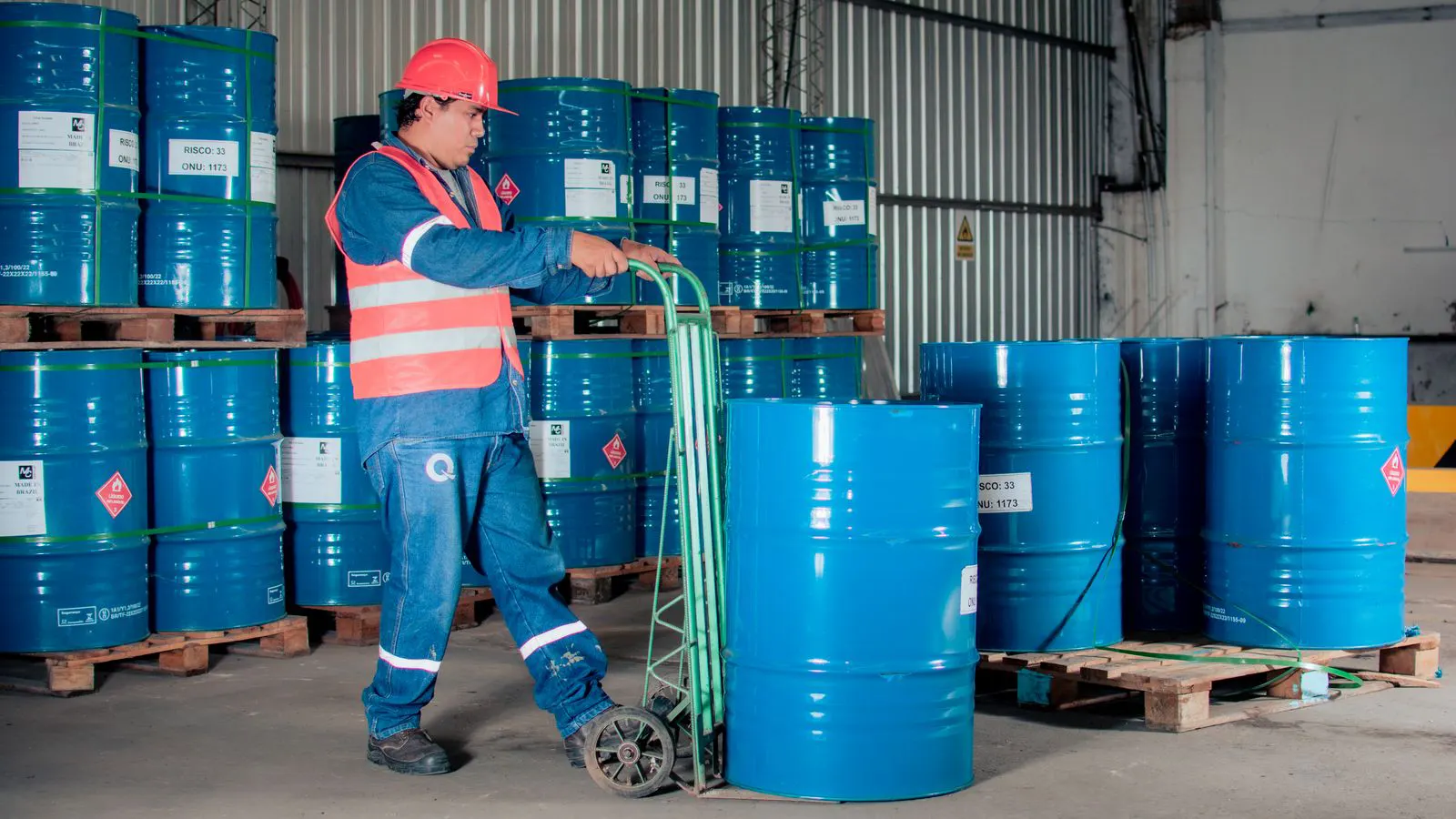
This guide compares polyurethane vs epoxy suppliers. It examines technical support, lead times, and documentation. It helps buyers select reliable sources based on project needs, site conditions, and long-term maintenance requirements.
- Polyurethane suppliers often win on flexibility and moisture tolerance.
- Epoxy suppliers often win on load capacity and chemical resistance.
- Supplier reliability depends on technical support, documentation, and lead time consistency.
- Match the adhesive type to the project before selecting the vendor.
- Ask for sample batches and third-party data before placing large orders.
What drives supplier reliability in adhesives
Buyers often focus on price first. That is a mistake. A low-cost supplier can fail a project if the technical support is weak or the lead time is unstable. The adhesive itself is only part of the equation. The supplier determines whether the product performs as expected in the field.
Reliability shows up in several ways. It appears in the quality of the technical data sheet. It appears in the response time of the support team. It appears in the consistency of batch records and the availability of replacement stock. It also appears in how the supplier handles non-conformance. A reliable supplier will work with the buyer to identify the failure mode. A weak supplier will blame the user.
When comparing polyurethane vs epoxy sources, the buyer must look beyond the product label. The two categories have different failure patterns. Polyurethane systems can suffer from moisture contamination during application. Epoxy systems can suffer from exotherm or poor surface preparation. The supplier must understand these risks and provide the right guidance.
Technical support and application guidance
This is where the difference between a commodity vendor and a reliable partner becomes clear. A commodity vendor sells the can. A reliable vendor sells the solution. For polyurethane, the support team must explain how humidity affects cure time. For epoxy, they must explain how ambient temperature influences the exotherm.
Polyurethane suppliers need to provide clear mixing ratios. They must explain the open time for the application window. They must advise on primer use for certain substrates. If the supplier cannot explain the chemistry, they are not the right partner. The support team should be available by phone or email during the production window.
Epoxy suppliers must provide guidance on pot life. They must explain the difference between room temperature cure and heat cure. They must advise on mixing equipment. For thick sections, the supplier must warn about heat buildup. This is not a minor detail. Heat buildup can cause cracking or delamination. A reliable supplier will proactively flag these risks.
The level of support also varies by region. A local distributor may have a technical representative on site. A national supplier may have a centralized support line. A global supplier may have a regional manager. The buyer should test the support channel before committing to a large order. Call them. Ask a specific question. Measure the response time.
Lead time and inventory consistency
Lead time is a direct measure of supplier reliability. If the supplier cannot deliver on time, the project line stops. For polyurethane, the shelf life is often shorter than for epoxy. Polyurethane components are sensitive to moisture and temperature. If the supplier holds stock in a humid warehouse, the product may degrade before it reaches the buyer.
Epoxy systems often have longer shelf lives, but the hardener can gel. The supplier must control storage conditions. They must use first-in, first-out rotation. They must provide batch records that show the storage history. If the supplier cannot provide this data, the risk of failure is higher.
Inventory consistency is also important. A supplier with high turnover will have fresher stock. A supplier with low turnover may have product sitting on a shelf for months. The buyer should ask about turnover rates. They should ask about storage temperatures. They should ask about the last date the product was received.
For importers, lead time is even more critical. Shipping delays can be unpredictable. A reliable supplier will provide a clear timeline for production and dispatch. They will provide advance notice of any delays. They will have backup stock for critical projects.
Documentation and compliance
Documentation is the paper trail of a reliable supplier. Without it, the buyer cannot prove that the product was applied correctly. The data sheet is the starting point, but it is not enough. The buyer needs safety data sheets. They need certificates of analysis. They need material safety data sheets.
For polyurethane, the safety data sheet must include information on isocyanate exposure. Isocyanates are respiratory sensitizers. The supplier must provide clear PPE guidance. They must provide ventilation requirements. They must provide first aid instructions.
For epoxy, the safety data sheet must include information on hardeners. Some hardeners are corrosive. Some are toxic. The supplier must provide clear handling instructions. They must provide disposal instructions. They must provide spill response guidance.
Compliance is also a factor. Depending on the region, the adhesive may need to meet certain environmental standards. The supplier must provide proof of compliance. They must provide test reports. They must provide registration documents. If the supplier cannot provide these documents, the buyer is taking on a legal risk.
Cost structure and long term value
Price is a factor, but it is not the only one. A cheaper adhesive can cost more in the long run if it fails. The buyer must calculate the total cost of ownership. This includes the cost of the adhesive, the cost of application, the cost of labor, and the cost of failure.
For polyurethane, the cost is often driven by the raw material price of polyols and isocyanates. These prices can fluctuate. A reliable supplier will provide a clear pricing structure. They will provide a valid quote period. They will provide notice of price changes.
For epoxy, the cost is often driven by the resin type. Epoxy resins are more stable than polyurethane resins. The price is more consistent. However, the cost of application can be higher if the epoxy requires heating. The buyer must factor this into the cost model.
A reliable supplier will not just quote a price. They will help the buyer optimize the cost. They may suggest a different formulation. They may suggest a different application method. They may suggest a different substrate preparation. This is the value of a reliable supplier.
When to pick polyurethane suppliers
Polyurethane suppliers are the right choice for certain applications. They are good for flexible joints. They are good for vibration control. They are good for outdoor applications. They are good for substrates that move.
If the joint is subject to movement, polyurethane is often the better choice. Epoxy is rigid. If the joint moves, the epoxy can crack. Polyurethane can stretch and recover. This makes it a better fit for dynamic loads.
Polyurethane is also good for moisture-prone environments. It can handle some moisture better than epoxy. However, the buyer must ensure proper surface preparation. Moisture can interfere with the cure. The supplier must provide guidance on this.
Polyurethane suppliers are also good for rapid assembly. Many polyurethane systems have fast open times. They can be applied quickly and moved to the next task. This is useful in production environments where speed is important.
When to pick epoxy suppliers
Epoxy suppliers are the right choice for high load applications. They are good for static loads. They are good for chemical resistance. They are good for high temperature resistance.
If the joint is subject to high loads, epoxy is often the better choice. It has high tensile strength. It has high shear strength. It can hold heavy components in place.
Epoxy is also good for chemical exposure. It can resist many solvents and acids. It can resist bases. It can resist oils. This makes it a good fit for chemical processing environments.
Epoxy suppliers are also good for precision work. Many epoxy systems have low shrinkage. They can be applied in thin films. They can be filled in thick sections. This makes them useful for casting and filling.
Final selection criteria
The final decision depends on the project. The buyer must look at the application. They must look at the environment. They must look at the support needed. They must look at the lead time.
A reliable supplier will be transparent. They will provide clear information. They will respond quickly. They will deliver on time. They will stand behind the product.
The buyer should not choose a supplier based on price alone. They should choose a supplier based on reliability. They should choose a supplier who understands the application. They should choose a supplier who provides the right documentation. They should choose a supplier who supports the project from start to finish.
Polyurethane vs epoxy is not just a product comparison. It is a supplier comparison. The right supplier will make the product work. The wrong supplier will cause problems.
Frequently asked questions
How do I check if an adhesive supplier is reliable?
Check their technical support response time. Ask for batch records and storage conditions. Ask for sample batches before placing a large order.
What is the main difference between polyurethane and epoxy suppliers?
Polyurethane suppliers focus on flexibility and moisture tolerance. Epoxy suppliers focus on load capacity and chemical resistance.
Why is documentation important when choosing a supplier?
Documentation proves the product meets specifications. It helps with compliance and quality control.
How do lead times affect project success?
Long lead times can delay the project. A reliable supplier provides clear timelines and backup stock.
Should I choose the cheapest supplier?
No. A cheap supplier can cause costly failures. Choose a supplier based on total cost of ownership and reliability.