Explainer: Why Surface Energy Matters in Plastic Bonding
Low surface energy plastics resist wetting and create weak interfacial bonds. Understanding plastic surface energy helps engineers match treatment methods to adhesive chemistries, preventing premature failure in structural or environmental applications.
- Surface energy determines how well an adhesive can wet a plastic substrate before curing.
- Most thermoplastics have low surface energy, requiring surface activation before bonding.
- Matching treatment method to adhesive chemistry is more reliable than relying on one universal process.
- Consistent measurement and documentation prevent batch-to-batch variability in production lines.
Plastic bonding fails when the interface between substrate and adhesive remains weak. The most common root cause is not a defective adhesive, but a mismatch between surface energy and adhesive wetting behavior. Understanding this relationship is the foundation of reliable joint design on polymeric substrates.
What Is Plastic Surface Energy
Surface energy describes the strength of intermolecular forces at the surface of a material. It measures how readily a liquid can spread across a solid surface. In adhesion science, this property dictates whether an adhesive can wet the substrate before it cures. Wetting is the process where the adhesive forms a continuous film across the surface, replacing air pockets and creating intimate molecular contact.
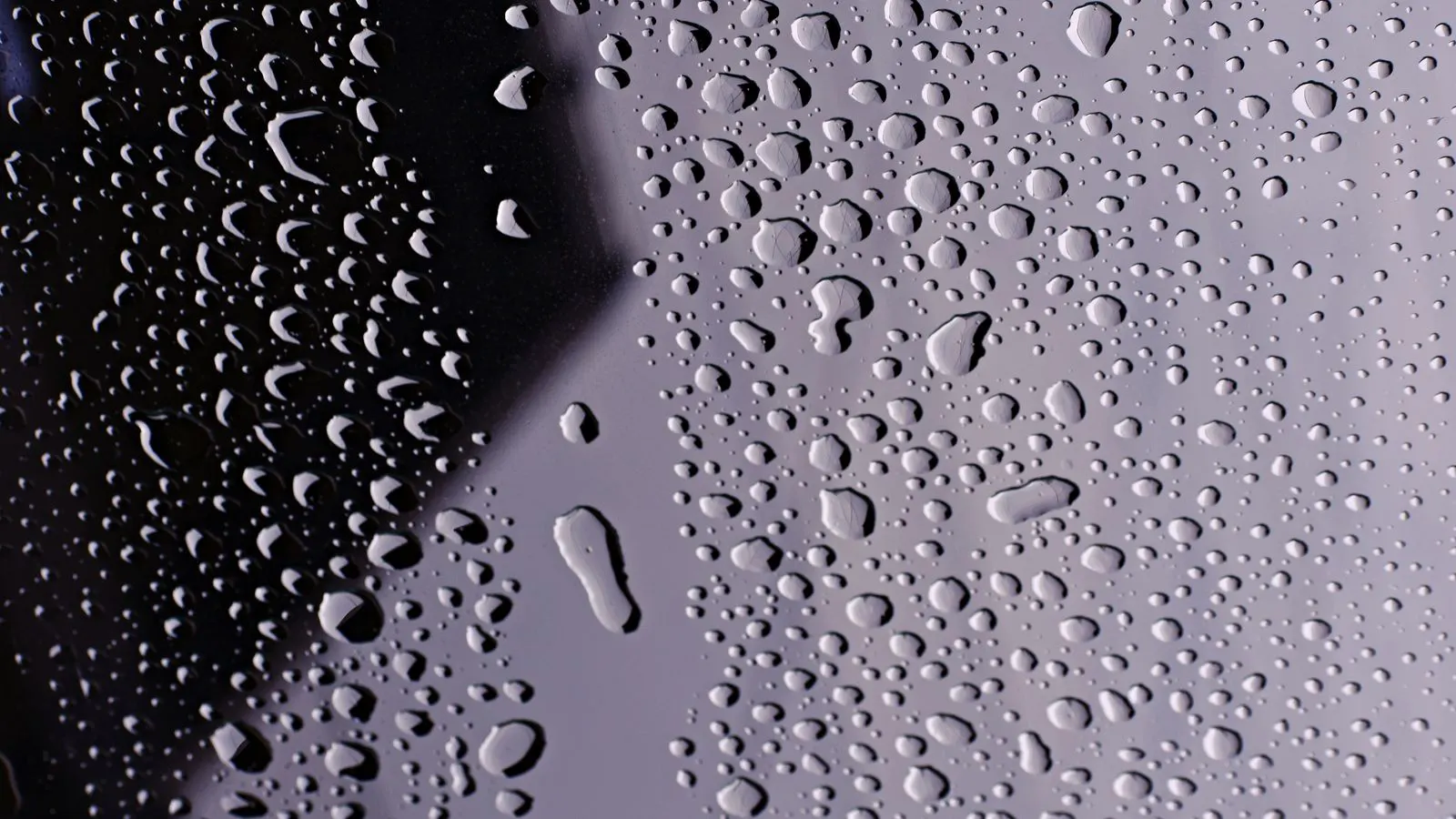
Most common engineering plastics, such as polyethylene, polypropylene, and polystyrene, have relatively low surface energy. Their surfaces consist of long hydrocarbon chains with weak intermolecular attractions. These surfaces resist liquid spread, causing adhesives to bead up rather than flow. Without proper wetting, the bond line contains voids and weak contact points that reduce shear strength.
High-surface-energy materials, like glass or aluminum, allow adhesives to spread naturally. Plastics require intervention to raise their effective surface energy or modify the interface so the adhesive can make molecular contact. The difference between a failed joint and a durable one often rests on whether this contact was achieved during processing.
How Surface Energy Affects Bond Reliability
The bond interface is where stress is transferred from one part to another. If the adhesive does not wet the plastic completely, the effective bonding area shrinks. The joint may appear visually complete, but microscopic gaps prevent load transfer. Under vibration, temperature cycling, or chemical exposure, these gaps propagate and cause premature separation.
Low surface energy also affects adhesion after cure. Some plastics continue to relax or migrate surface contaminants over time. This can reduce the effective energy at the interface, weakening the bond even if initial wetting appeared good. In structural applications, such as automotive brackets or industrial fixtures, this gradual degradation leads to fatigue failure rather than sudden breakage.
Surface energy also interacts with adhesive chemistry. A urethane adhesive may wet a primed surface well, while an epoxy may not, even on the same treated part. The adhesive must be selected based on its own surface tension and compatibility with the treated plastic. A low-surface-energy adhesive will not bond to a low-surface-energy substrate, even if both are chemically similar.
How to Measure and Characterize Surface Energy
Engineers use several methods to quantify surface energy levels. Contact angle measurement is the most common technique. A droplet of liquid with a known surface tension is placed on the plastic surface. The angle the droplet makes with the surface indicates how well it spreads. A low contact angle indicates high surface energy and good wetting. A high contact angle indicates poor wetting.
For production environments, portable contact angle meters allow quick checks during setup. However, these measurements must be taken consistently. Surface contamination, humidity, and storage conditions affect results. A reliable testing protocol requires multiple measurements across the part surface and at different locations.
Another approach is to use a series of test liquids with different surface tensions. By identifying the threshold liquid that spreads and the one that beads, engineers can estimate the critical surface tension of the plastic. This value guides the selection of primers or treatment processes. Documentation of these measurements helps traceability when troubleshooting batch failures.
Surface Treatment Methods for Plastic Bonding
Surface treatment raises the effective surface energy or creates a reactive layer on the plastic. The method chosen depends on the plastic type, production volume, and required bond life. Several common approaches exist, each with distinct trade-offs.
Corona treatment is widely used for films and sheet products. A high-voltage discharge ionizes the air above the surface, oxidizing the top few micrometers. This increases polarity and wettability. Corona treatment is fast and inexpensive but has a short shelf life. The treated surface degrades over days or weeks as contaminants redeposit. It is best used immediately before bonding.
Plasma treatment uses low-pressure gas discharge to clean and activate surfaces. It removes organic contaminants and introduces functional groups that improve adhesion. Plasma treatment is effective for small to medium parts and offers better shelf life than corona. It requires specialized equipment and a controlled atmosphere.
Chemical primers provide another option. Primers contain solvents or reactive agents that penetrate the plastic surface and form a bridge to the adhesive. They are useful when equipment is unavailable or for field repairs. Primers add a processing step and require careful control of thickness and drying. Too much primer can create a weak, brittle layer.
Matching Treatment to Adhesive Chemistry
The choice of treatment must align with the adhesive system. Not every treatment works equally well with every adhesive. A corona-treated polypropylene may bond well to a hot melt adhesive but poorly to a structural epoxy. The interaction depends on the adhesive’s surface tension, cure mechanism, and chemical compatibility.
Urethane adhesives generally tolerate low-surface-energy substrates better than epoxies when the substrate is properly treated. Urethanes have lower surface tension and can wet surfaces that epoxies cannot. However, urethanes are sensitive to moisture and heat, which can cause premature curing or degradation.
Epoxies offer high strength and chemical resistance but require excellent surface preparation. They have higher surface tension and need a highly activated substrate to achieve full wetting. If the surface energy is insufficient, the epoxy will not spread, leaving voids that compromise the bond.
Hot melt adhesives are used for high-speed production where immediate tack is required. They bond well to many plastics without complex curing cycles. However, their long-term performance can be limited by plasticizer migration or thermal cycling. Surface treatment still improves reliability, even for hot melts.
Worked Example: Bonding a Polypropylene Bracket
Consider an industrial fixture where a polypropylene bracket must be bonded to an aluminum plate. The joint must withstand vibration and temperature swings. The polypropylene has a low surface energy of roughly 30 to 33 millinewtons per meter, which prevents standard epoxies from wetting the surface.
The first step is cleaning. Isopropyl alcohol removes oils and mold release agents. The surface is inspected for visible contamination. Next, a plasma treatment is applied for a few seconds. This raises the surface energy and introduces oxygen-containing groups. The part is measured with a contact angle meter to confirm wetting improvement.
A two-part epoxy adhesive is selected for its strength and chemical resistance. The adhesive is mixed per the manufacturer’s instructions and applied to both surfaces. The bracket is clamped to the aluminum plate. The joint cures in a controlled temperature environment.
After curing, the bond is tested for adhesion. The interface shows intimate contact with no visible voids. The joint withstands the required load. If the part had been stored for a month after plasma treatment without bonding, the surface energy would have dropped, and the same epoxy might have failed. The sequence of treatment and bonding is critical.
Practical Checks for Production Environments
In production, surface energy management requires systematic checks. Establish a baseline measurement for each plastic grade. Different grades of the same polymer can have varying surface energies due to additives or processing conditions. Document these values in the material specification.
Implement in-process controls. Use contact angle checks at line start and at regular intervals. If the reading drifts, investigate the treatment process. Corona power, plasma gas flow, or primer viscosity may need adjustment. Keep records of treatment parameters alongside bond test results.
Train operators to recognize visual signs of poor wetting. Beading of adhesive, visible gaps at the joint edge, or inconsistent color in the cure line indicate surface issues. These signs are early warnings that should stop the process before defective parts reach assembly.
Surface energy is not a single, fixed property. It changes with time, temperature, and exposure. A reliable bonding process treats surface energy as a dynamic variable that must be managed at every step. By measuring, treating, and matching adhesive chemistry to substrate conditions, engineers can build bonds that perform as intended over the full service life of the product.
Frequently asked questions
Can all plastics be bonded without surface treatment?
No. Most common engineering plastics have low surface energy and require treatment or a compatible adhesive to achieve reliable bonding. High-surface-energy plastics like certain fluoropolymers may require specialized approaches.
How long does a corona-treated surface remain effective?
Corona-treated surfaces lose effectiveness over time due to contamination and degradation. They are best used within hours or a few days of treatment. For longer storage, plasma treatment or chemical primers are preferred.
What happens if the adhesive surface tension is higher than the substrate surface energy?
The adhesive will not wet the surface and will bead up. This creates voids and reduces the effective bonding area, leading to weak joints that may fail under load.
Is surface energy the only factor in plastic bonding?
No. Surface energy is a primary factor, but joint design, adhesive selection, curing conditions, and environmental exposure also influence bond reliability. A complete process must address all of these variables.
How do I verify that a surface treatment worked?
Use contact angle measurement to confirm increased wettability. Perform a simple tack test or a small-scale bond test before full production. Visual inspection of the cured joint for voids or beading also provides useful feedback.